
ESA · European Space Agency
Dr. Lena Voss
Earth-observation scientist. We tune the atmospheric-retrieval pipeline for her team’s polar satellite overpasses.
An observation studio working at the
intersection of atmospheric science
and deep-sky optics.
The work
Auroalis runs research and design programs from a small studio above the Arctic Circle. We work with atmospheric scientists, observatory teams, and polar expedition leads on the kind of slow, precise work that only happens when the instruments are quiet and the night is long enough to listen.
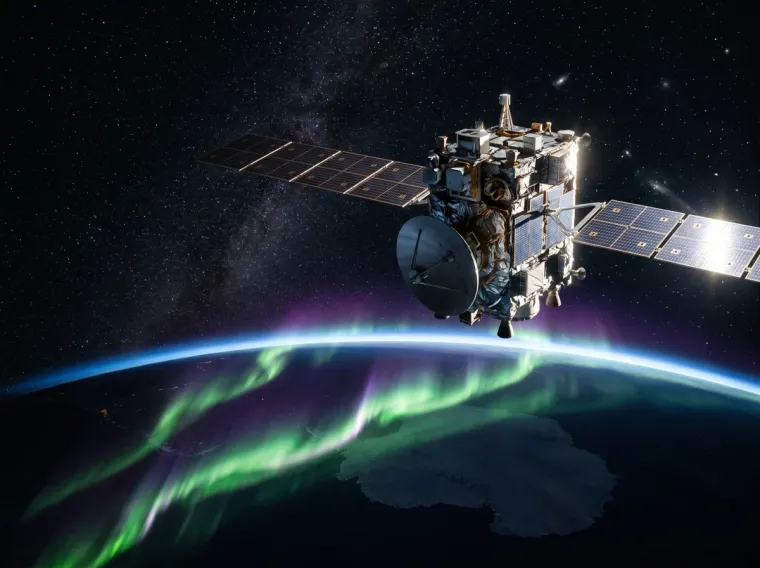
Long programs that watch the polar sky breathe.
Long-baseline studies of auroral emissions, mesospheric airglow, and high-latitude weather signatures. We design the field protocols, the capture stack, and the way the data is read — from the magnetometer planted in the snow to the dashboard the principal investigator opens at 8 AM. Multi-year programs are the norm; we don’t do drive-by science.
Read the field protocols →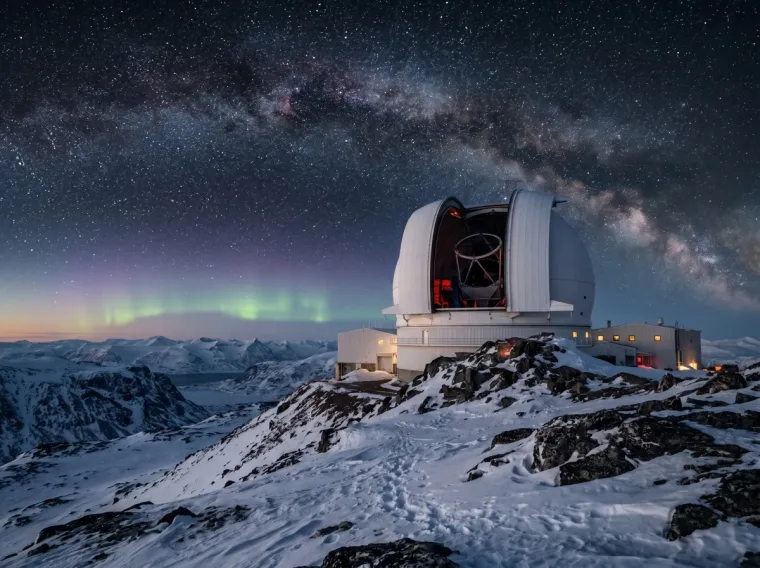
Calibration tooling and pipelines that respect the instrument.
Image-stack pipelines and software built so the observer spends time observing, not maintaining the rig. We keep tooling small, well-documented, and offline-first — the moments worth capturing don’t wait for a network handshake. Calibration coefficients never move silently; if a value changes, you’ll know which commit moved it.
See the build notes →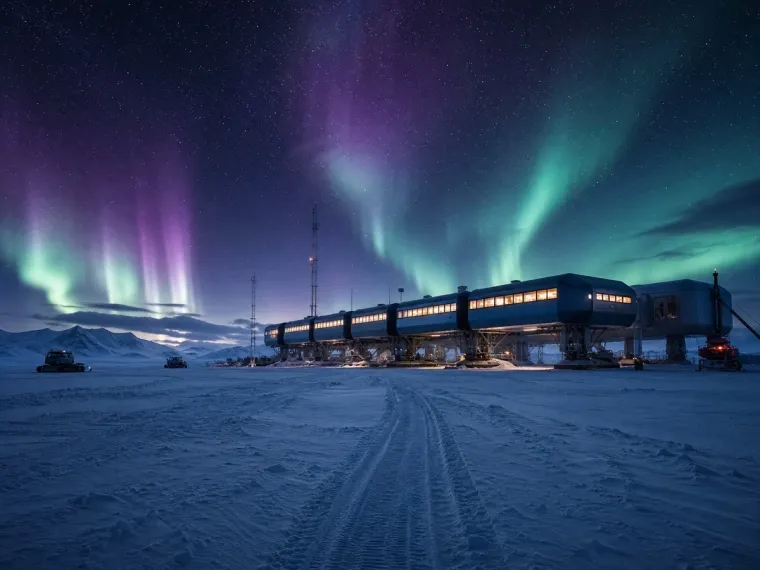
Interfaces built for −30 °C, frosted lenses, and tired hands.
We deploy with the team, train the rotating field cohort, and stay close while the season runs — most engagements include three site visits and a written end-of-season debrief that names what worked, what didn’t, and what we’d change in year two. Every screen is rated to be read at −30 °C through a frosted lens.
Open a deployment brief →Partners
ESA · European Space Agency
Earth-observation scientist. We tune the atmospheric-retrieval pipeline for her team’s polar satellite overpasses.

NASA · Goddard
Heliophysics Division. Brings us substorm campaigns that need ground truth from the Arctic night.
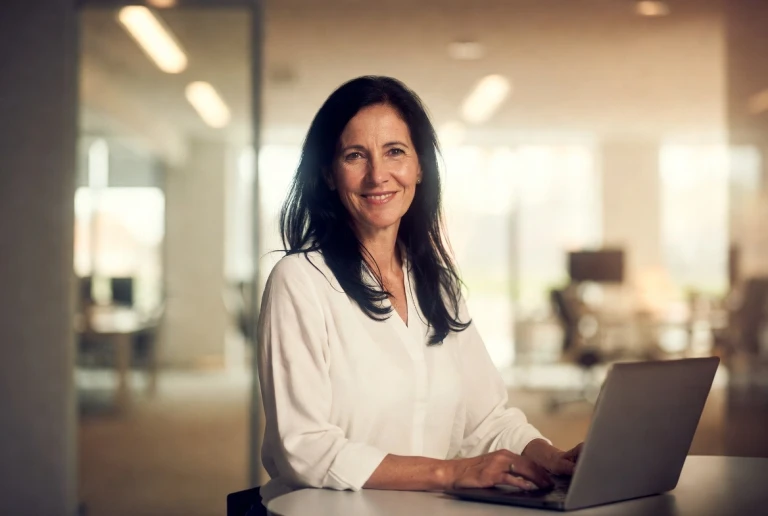
ESO · Southern Observatory
Operations lead. Trusts us with calibration runs between observing seasons, year after year.
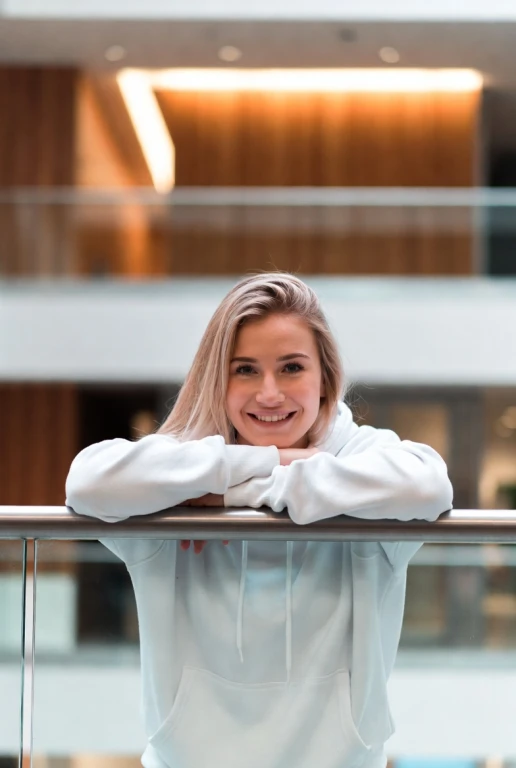
University of Tromsø
Completed her PhD on auroral substorm dynamics with our instruments and field support — from her first night shift to a defended thesis.
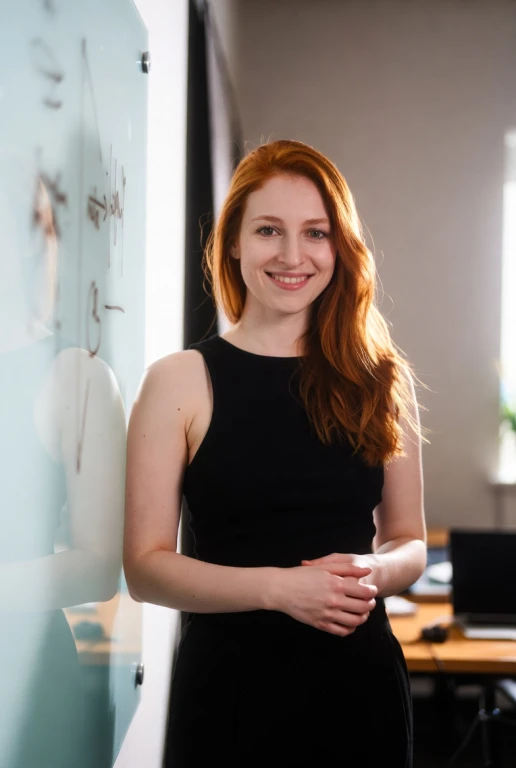
EISCAT · Kiruna Observatory
Atmospheric observatory. Runs the radar campaigns we build cold-rated field tooling for.
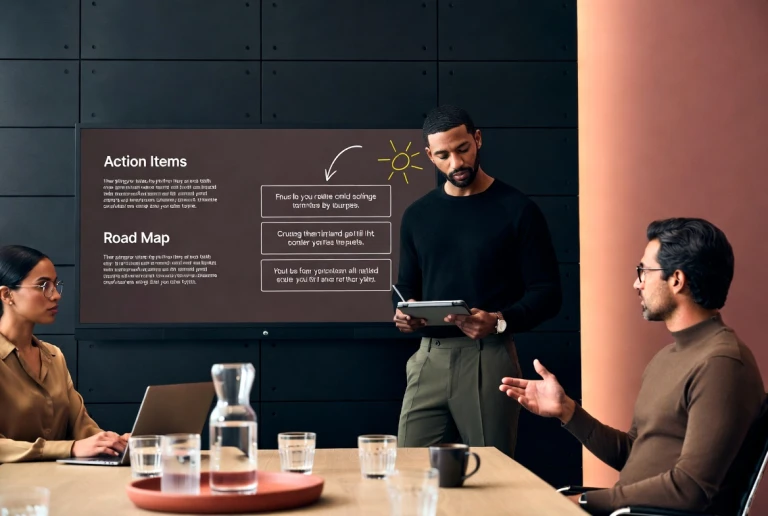
Max Planck Institute
Solar System Research. Partners with us on long-baseline mesospheric programs across the polar winter.
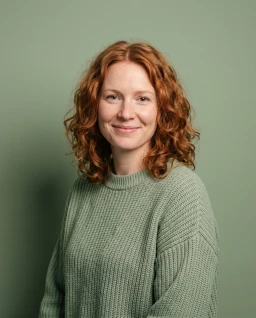
“Auroalis showed up in February with three calibration rigs and a quiet patience that held our team together through a difficult instrument season. They left us with cleaner data than we’d had in five years — and a written protocol the next observer could actually follow.”
Field manual
Long polar nights leave a lot of time to think — and partners ask the same questions across decades. Here’s the short version of what we tell them.
Long-baseline scientific work — atmospheric observation, instrument calibration, expedition tooling, image-stack pipelines. We work on programs that need a year of nights, not a sprint. If your timeline is shorter than a polar season, we’re probably the wrong studio.
Studio in Tromsø, 350 km north of the Arctic Circle. Field deployments most often happen in Sodankylä, Abisko, Andenes, and Longyearbyen, but we’ve calibrated instruments as far south as the Atacama and as far east as Nunavut. If you have a sensor, we can come to it.
Yes. Every protocol we ship runs offline first, queues observations to local storage, and syncs upstream when conditions permit. The interfaces are tested at −30 °C through frosted lenses, with gloved fingers, in the dark.
Mostly retainer for ongoing observation work, milestone for instrument and pipeline builds. We send a clear scope before the first contract and revisit it every quarter. No hidden line items, no surprise overruns.
Six core staff in Tromsø plus a rotating field cohort of four trained observers. Whoever opens your study stays with it through publication or close-out — we don’t hand off mid-program.
Your data is yours. We sign a written confidentiality and data-residency clause with every partner. Raw observations sit on infrastructure you control; we never share, mirror, or train on your data without explicit permission.
Yes. We keep a quiet network of working observers and field technicians across Northern Europe. If your study needs nights of attended observation, we can place trained people on station for a season — usually within four weeks.
When our partners do, we co-author. When they prefer to keep results inside their group, we respect that. We don’t sit on data and we don’t hold it hostage — that’s in every contract we sign.
Open a study
Tell us about the program — the site, the instrument, the question you’re trying to answer at 3 AM with a sensor that won’t hold calibration. We reply within two days during the polar night.